15 Clues TSA Agents Use to Read Your Travel Experience
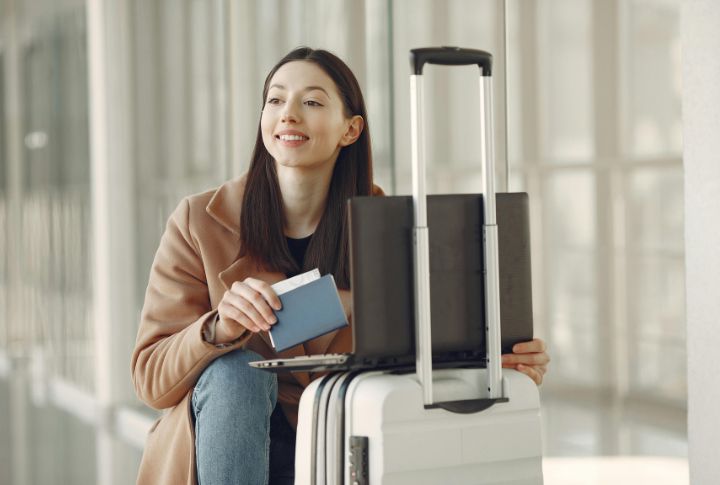
TSA agents have sharp eyes that pick up on traveler habits instantly. They notice things most of us overlook, from nervous gestures to that “experienced traveler” swagger. Want to know what they catch? Here are 15 things TSA agents spot right away, giving them insight into who you are before takeoff.
Luggage Wear and Tear
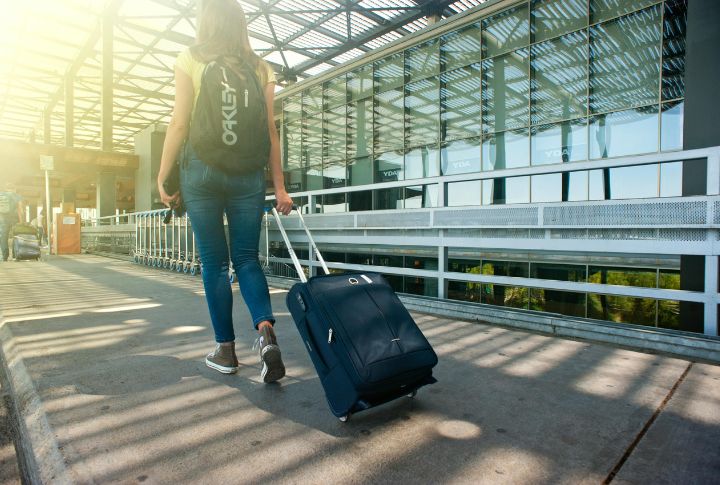
Experienced travelers often carry luggage with visible signs of use, like scuffs or faded colors. TSA agents notice this right away and signal whether you’re a frequent flier or a casual vacationer. Brand-new bags, though, can also mean you’re prepared but lack the familiarity of seasoned travelers.
Footwear Choices
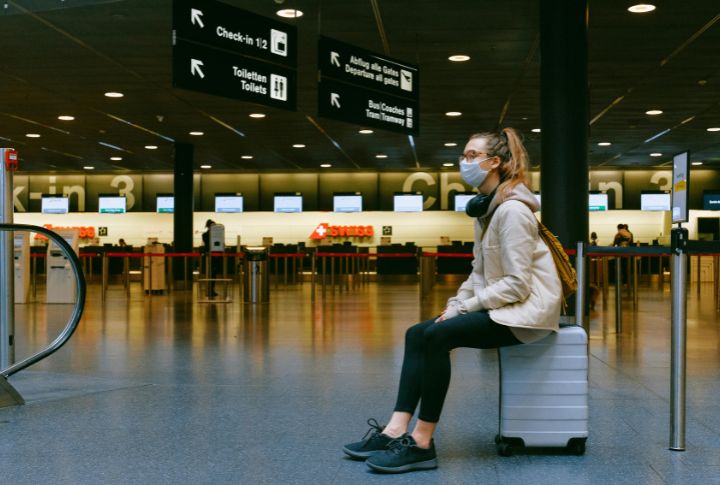
Slip-on shoes show you know airport protocol well. TSA agents know that those wearing complicated footwear might not travel often. Easy-off shoes suggest a smooth experience ahead, while lace-ups or boots often mean a lengthy wait, which agents spot immediately, giving them a clue about your travel savvy.
Travel Attire
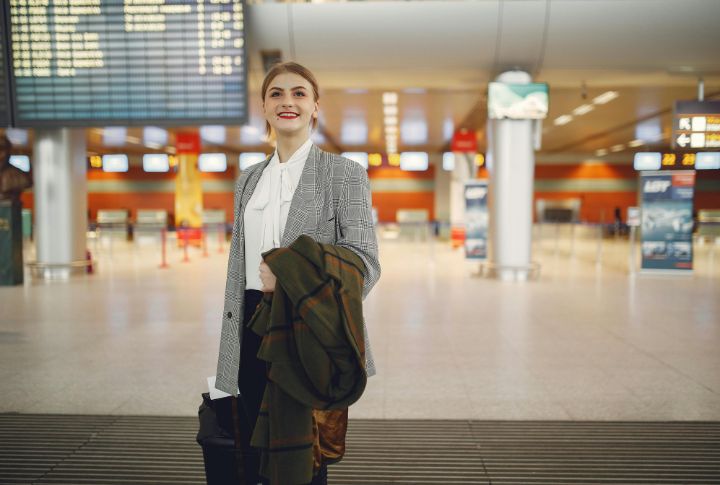
Comfortable, layered clothing signals an experienced traveler. Agents spot these people easily since they understand the balance between comfort and security ease. On the other hand, those dressed to impress might struggle with belts or jewelry at security, and this gives away their inexperience with airport norms.
Electronics Packing
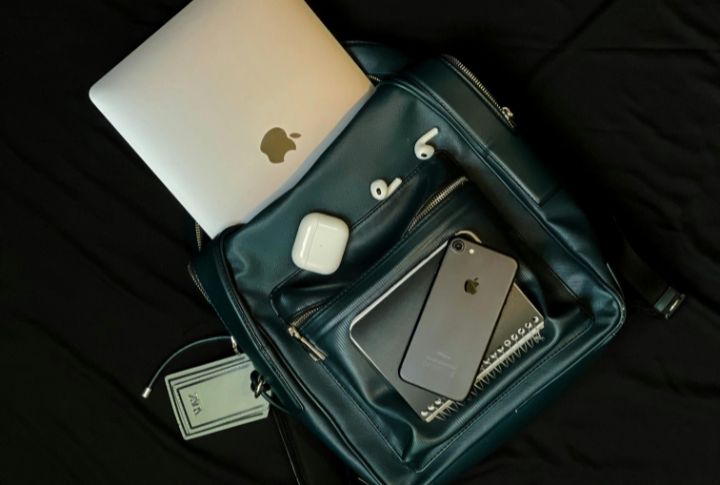
How electronics are packed speaks volumes. If everything’s buried deep, agents know you’re not familiar with the process, which makes for a more challenging screening experience for everyone. TSA agents quickly notice travelers who organize gadgets in easy-to-reach spots, which avoids the dreaded line hold-up.
Travel Documents
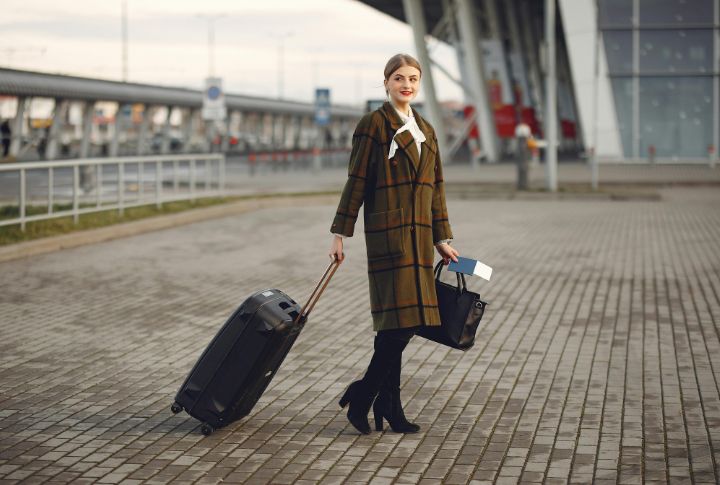
Having documents at hand or fumbling through a bag tells them a lot. Organized travelers with quick access get through smoothly, while those digging around for a passport or boarding pass signal potential delays. Agents instantly assess preparedness based on how quickly you present your essentials.
Body Language

Nervous gestures like avoiding eye contact or fidgeting often catch TSA agents’ attention. Confidence, on the other hand, suggests you’re a regular. They can tell the difference between someone simply anxious about flying and someone who might need additional screening. It’s all in how you carry yourself.
Bag Weight
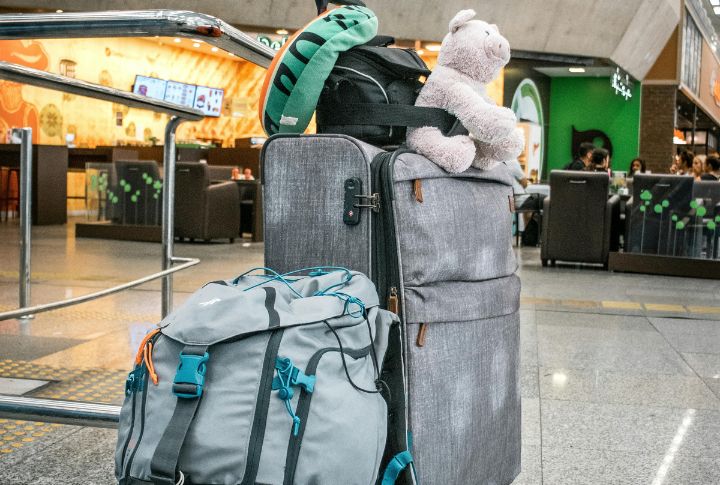
Are you struggling with a heavy bag? They spot this instantly. A well-packed carry-on, light enough to be managed easily, often suggests a seasoned traveler. Overstuffed bags, however, signal someone unprepared for the strict limits or unsure about what’s allowed and cause extra scrutiny at checkpoints.
Handling Kids
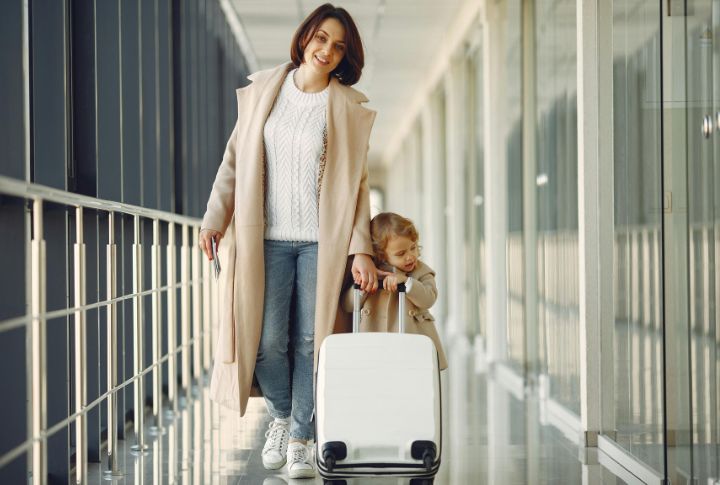
Parents who stay calm with kids at security show experience. TSA agents easily notice those with routines for shoes, strollers, and snacks. Flustered parents often indicate less travel experience, which can slow down the line. Agents appreciate those who clearly know how to manage security with children.
Accessory Overload

Wearing too many accessories—like belts, watches, or big jewelry—usually means you’re not familiar with airport security rules. They quickly catch this and brace for delays. Minimalist dressers know the drill: fewer accessories mean fewer things to take off and put back on, which ensures a quicker passage.
Attitude Toward Instructions
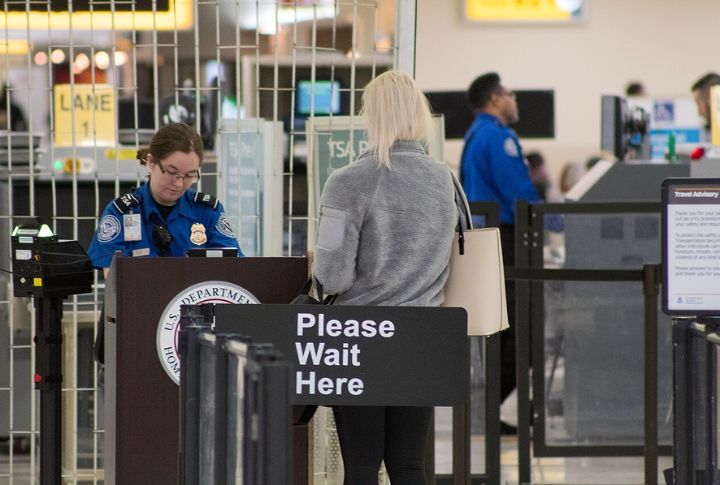
Compliance makes everything faster for everyone. Following instructions the first time tell them you’ve done this before. Ignoring or questioning instructions often suggests a lack of travel experience. TSA agents spot these behaviors immediately, making quick judgments about how smoothly your screening process might go.
Liquid Packing
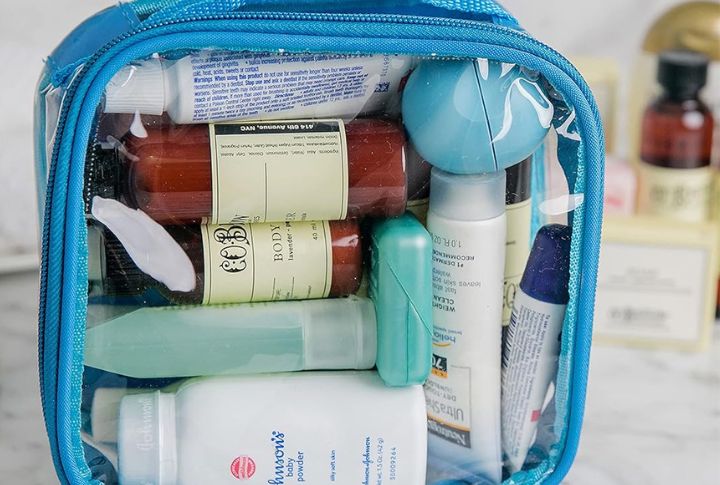
Frequent travelers know the drill—all liquids in a clear, quart-sized bag. TSA agents immediately notice who’s prepared and who isn’t. Scrambling to remove oversized bottles or forgetting about liquids altogether shows inexperience and signals potential hold-ups. Being ready shows consideration for both agents and fellow travelers.
Carry-On Organization
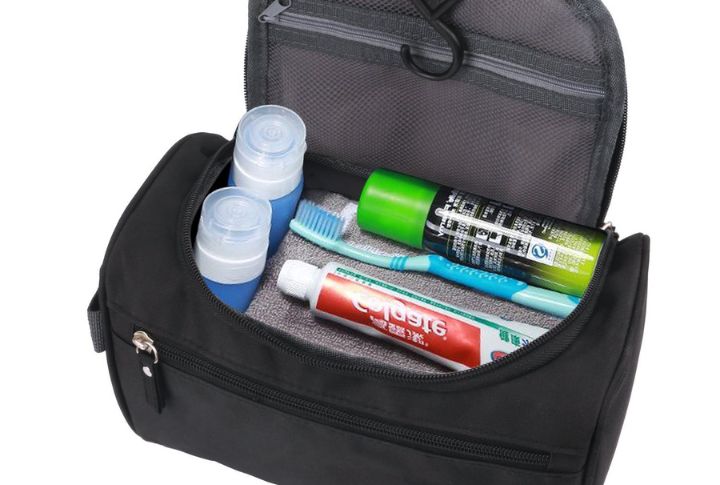
Organized carry-ons, where items like laptops and toiletries are easy to pull out, impress TSA agents. They notice who packs thoughtfully to speed things along. Chaotic bags make the screening slower, and agents can tell if they’ll need to help sort through items and delay everyone behind you.
Personal Space Awareness
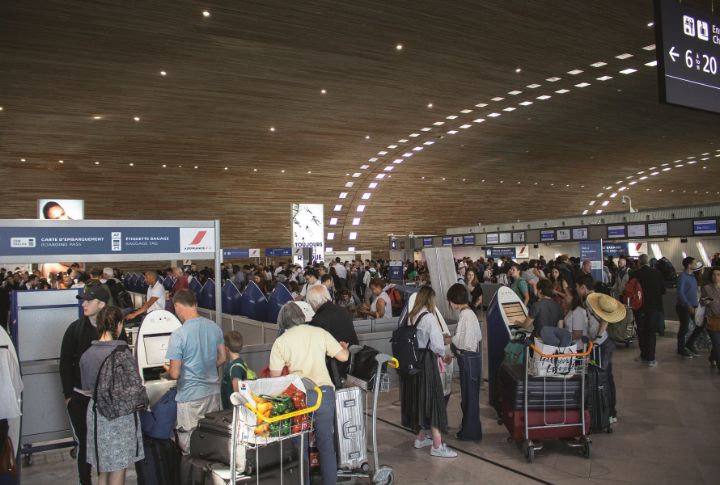
They notice how travelers respect personal space in line. The act of crowding others or standing too close to them suggests nervousness or inexperience. Seasoned travelers keep a comfortable distance, understanding the flow of security checks better. This simple detail often tells agents how much guidance someone might need.
Belt Choices
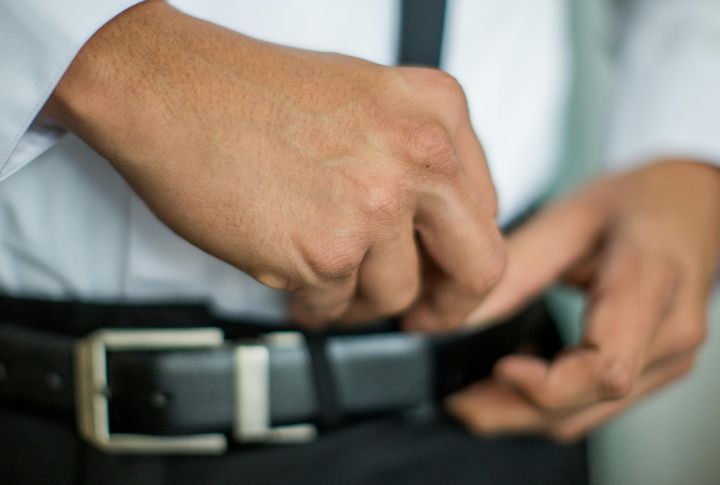
Frequent fliers often skip belts or choose easy-to-remove ones. TSA agents notice this instantly, knowing these travelers will pass through smoothly. Struggling with a tricky belt buckle signals someone who doesn’t often fly, which can mean extra time in line while trying to get everything off.
Handling Security Trays
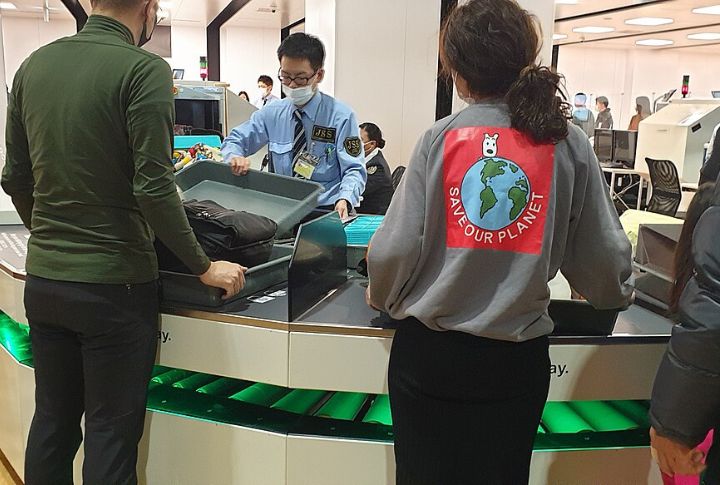
Knowing exactly how many trays you need for electronics, shoes, and jackets is a sign of experience. TSA agents catch the confident tray handlers right away and recognize that these travelers won’t cause delays. Hesitation or confusion over the trays shows inexperience, leading to slower processing times.